Embedded Systems

Embedded Systems

Future of Cardiac Care Will Live Inside Embedded Systems

For decades, cardiovascular care has been centered around hospitals. Patients visit clinics for tests. Data is captured intermittently. Clinicians analyze results after the fact. Intervention happens when symptoms become visible or when it is already too late. This model is no longer sufficient. The future of cardiac care will move beyond hospitals, becoming seamlessly integrated into embedded […]

Future of Cardiac Care Will Live Inside Embedded Systems Read More »

Embedded Systems

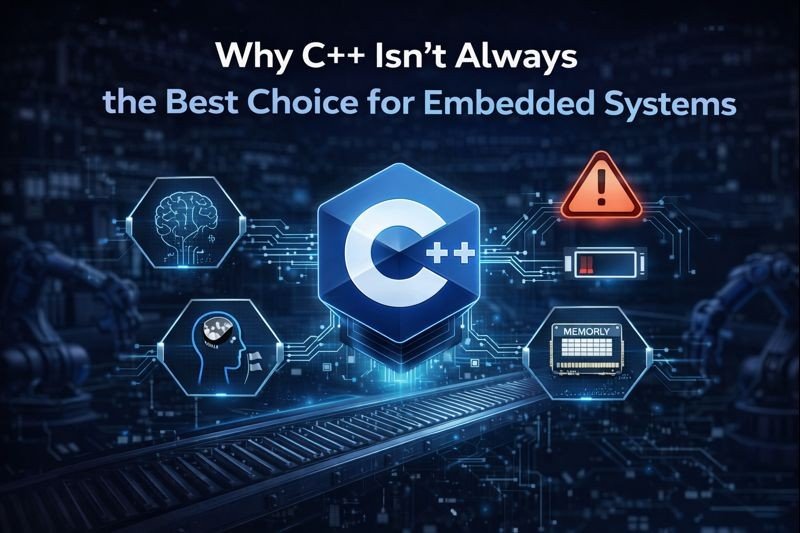
Why C++ Isn’t Always the Best Choice for Embedded Systems

C++ gives software engineers power, but in embedded systems, power without restraint is often a liability. On a recent firmware project, our team made what seemed like the obvious decision: we chose C++. The reasoning was sound. C++ offers cleaner syntax, strong modularity, object-oriented design, and modern tooling. For complex systems, it provides structure and scalability, qualities every

Why C++ Isn’t Always the Best Choice for Embedded Systems Read More »
Embedded Systems

Foundation of Reliable Embedded Systems

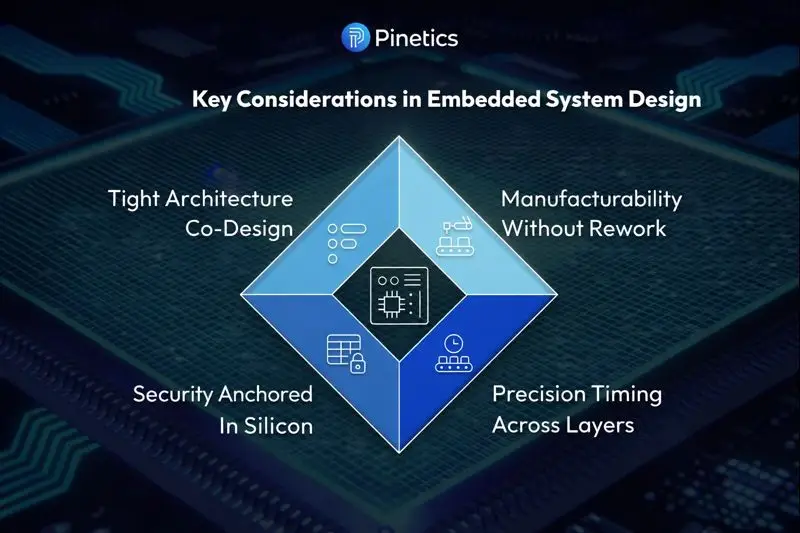
In embedded systems, hardware and software are not independent layers stacked on top of each other. They are a single, tightly coupled system that must be engineered as one, or they will fail together. Unlike traditional software systems, embedded products live in the physical world. They interact with voltage fluctuations, temperature extremes, timing constraints, electromagnetic

Foundation of Reliable Embedded Systems Read More »

Reducing Embedded Boot Time

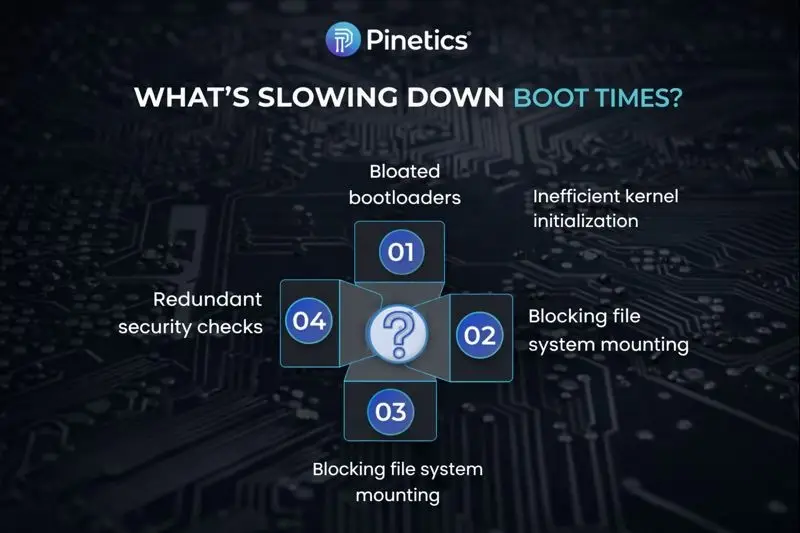
Reducing Embedded Boot Time and Eliminating Hidden Startup Delays

In industries where every second count, automotive systems, industrial automation, medical devices, consumer electronics, and IoT slow boot times are an underestimated bottleneck. A device that takes eight to ten seconds to become operational may not sound like a major inefficiency in theory. However, in real-world embedded environments, those seconds directly impact safety, productivity, user confidence, and total

Reducing Embedded Boot Time and Eliminating Hidden Startup Delays Read More »

Modern Industrial Protocols

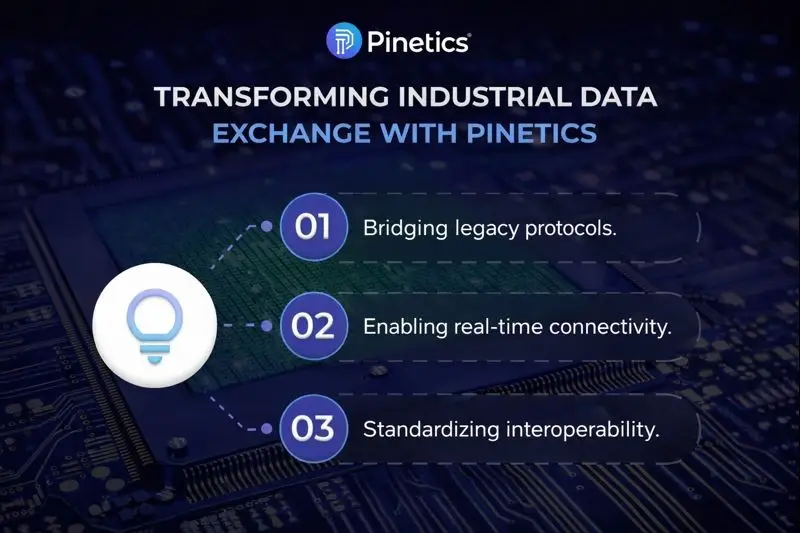
Pinetics Bridges Legacy and Modern Industrial Protocols

Industrial automation today depends on continuous, real-time data exchange across machines, devices, and control systems. Yet many industrial plants still operate communication protocols designed decades ago, long before IIoT, AI, cybersecurity threats, and cloud connectivity existed.  Legacy protocols were never built for:  High-speed data streaming  Cross-vendor interoperability  Large-scale device connectivity  Modern security requirements  The result is predictable: integration complexity,

Pinetics Bridges Legacy and Modern Industrial Protocols Read More »

IoT Communication

Securing IoT Communication for Trustworthy Connected Products

The adoption of IoT technologies has accelerated across industries such as healthcare, industrial automation, automotive electronics, and smart infrastructure. Connected devices now play a direct role in decision-making, automation, and real-time monitoring. However, as IoT systems become more pervasive, they also become more exposed to security threats.  In many IoT deployments, communication channels remain the weakest link.

Securing IoT Communication for Trustworthy Connected Products Read More »

Embedded Systems

Why Embedded Systems Fail in the Field and How to Prevent It?

They built a brilliant device. It passed every lab test. The demo wowed investors. The launch went live. However, within weeks, complaints began to pour in that devices froze, batteries drained, and unexpected shutdowns occurred in critical scenarios. The culprit? Firmware instability during power fluctuations in real-world environments. What worked perfectly in a controlled lab setting often cannot survive in

Why Embedded Systems Fail in the Field and How to Prevent It? Read More »