Author name: Alankar Dhobale

Alankar Dhobale is Co-Founder and Global CTO at Pinetics, with 21+ years in embedded firmware and medical electronics. He holds a BE in Electronics from Shivaji University. His work spans firmware architecture, RTOS and bare-metal design, low-power optimisation, OTA update systems, and IEC 62304 software lifecycle compliance for medical devices.

IoT Firmware Development

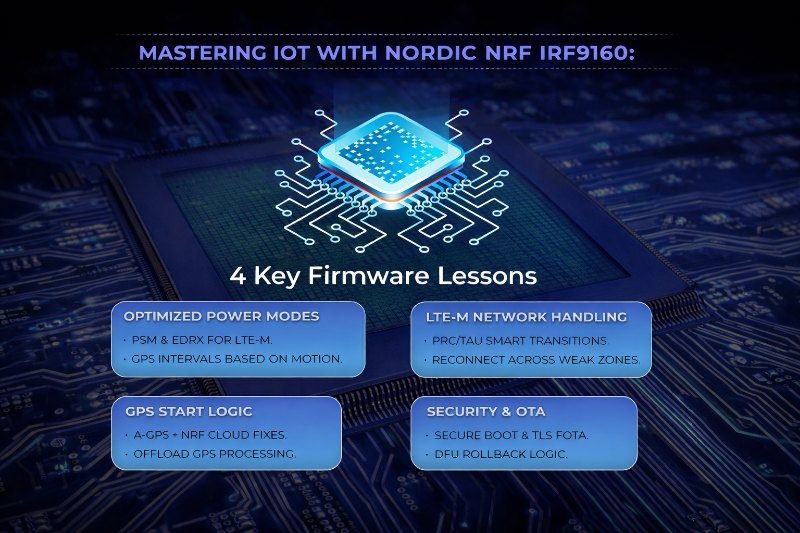
Mastering nRF9160 for IoT Firmware Development

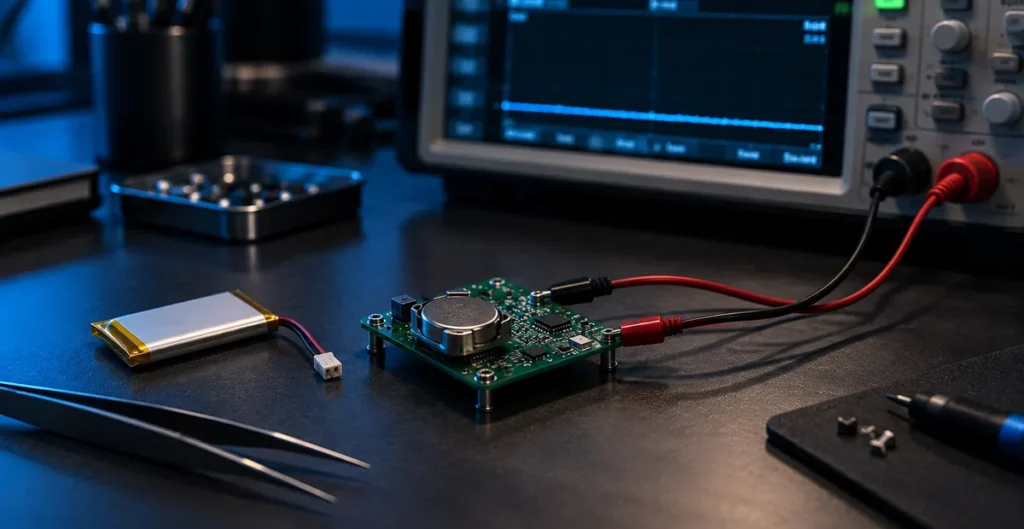
Working with Nordic’s nRF9160 has been one of the most technically rewarding journeys in IoT firmware engineering. On the surface, it is a powerful module that combines LTE-M, NB-IoT, GPS, and an ARM Cortex-M33 in a single ultra-low-power package. For asset tracking, healthcare wearables, remote diagnostics, industrial telemetry, and logistics systems, it appears ideal. But here’s what many teams […]
Mastering nRF9160 for IoT Firmware Development Read More »

AI in Diagnostics

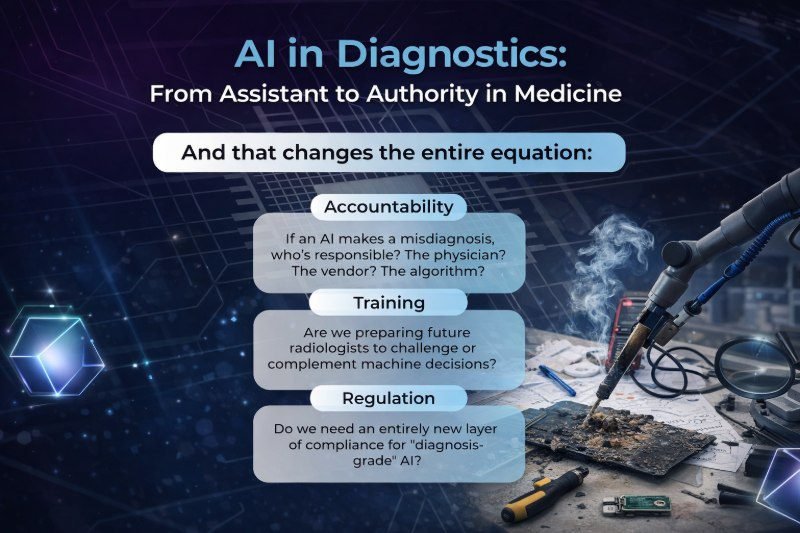
AI in Diagnostics: A Revolution in Clinical Practice

Artificial intelligence has crossed an important threshold in clinical diagnostics, and healthcare is beginning to feel the impact. For years, AI systems in radiology, pathology, and clinical decision support were positioned as assistants. They highlighted anomalies, suggested possibilities, and improved workflow efficiency. The final decision always remained with clinicians. That boundary is changing. With regulatory approvals validating AI tools

AI in Diagnostics: A Revolution in Clinical Practice Read More »

AI Transforming Life Saving Implants

How AI Is Transforming Life-Preserving Implants

Medical implants have always represented the intersection of engineering precision and human survival. Devices such as pacemakers, insulin pumps, neurostimulators, and shunts already play a life-saving role in modern healthcare. But a new transformation is underway, one driven by artificial intelligence and embedded computing.  We are entering an era where implants will no longer operate as static,

How AI Is Transforming Life-Preserving Implants Read More »

Firmware Mistakes in MedTech Scale-ups

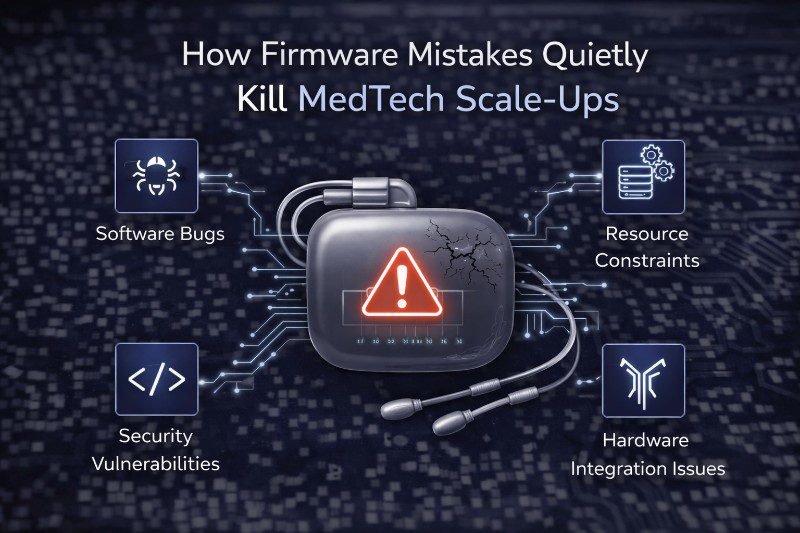
How Firmware Mistakes Quietly Kill MedTech Scale-Ups

In early-stage MedTech development, hardware usually gets the spotlight. Investors ask about sensors, algorithms, clinical validation, and manufacturing readiness. Teams celebrate when prototypes work reliably in controlled environments. However, as products transition from early development to scaling for real-world deployment, a different reality emerges, one that often catches teams off guard. The challenge is not the

How Firmware Mistakes Quietly Kill MedTech Scale-Ups Read More »

Arrhythmia Detection System

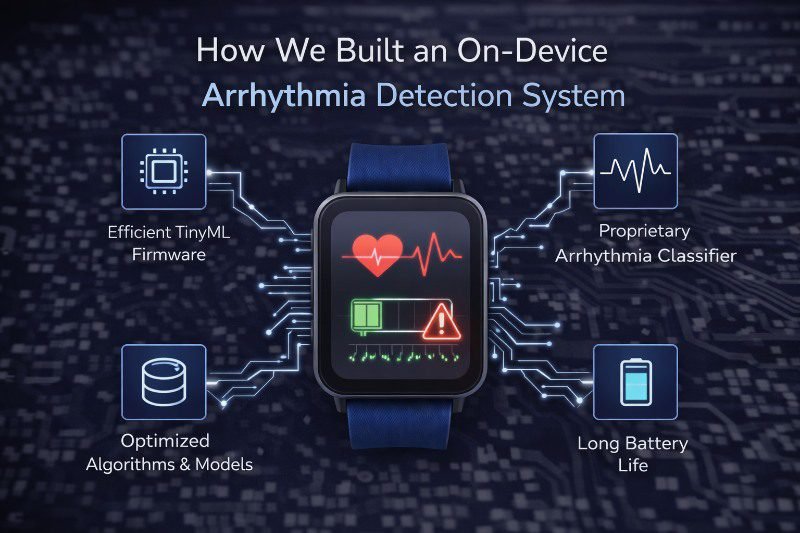
How Do You Build an On-Device Arrhythmia Detection System?

You build an on-device arrhythmia detection system by designing backwards from the constraints of a small medical device: a microcontroller with limited RAM and flash, a strict power budget and continuous ECG sampling, with every detection made on the device, none in the cloud. On-device arrhythmia detection in medical devices is a reliability problem first,

How Do You Build an On-Device Arrhythmia Detection System? Read More »

RTOS vs Bare Metal in MedTech

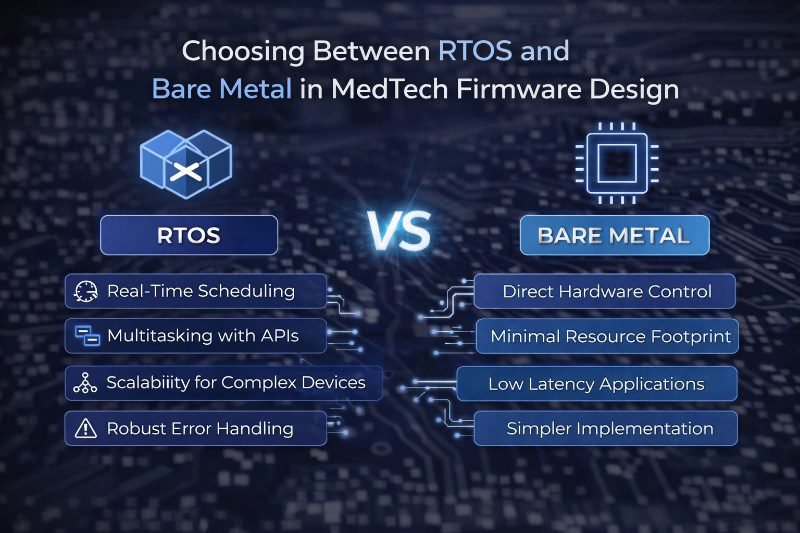
Choosing Between RTOS and Bare Metal in MedTech Firmware Design

The most significant decision in medical device firmware is made before the application code: RTOS or bare metal? RTOS or bare metal? On the surface, this choice is often framed as a technical preference or performance trade-off. Especially for Class II and Class III medical devices, it is neither. It is a risk-alignment decision. Your architecture shapes how firmware

Choosing Between RTOS and Bare Metal in MedTech Firmware Design Read More »

Firmware Loops

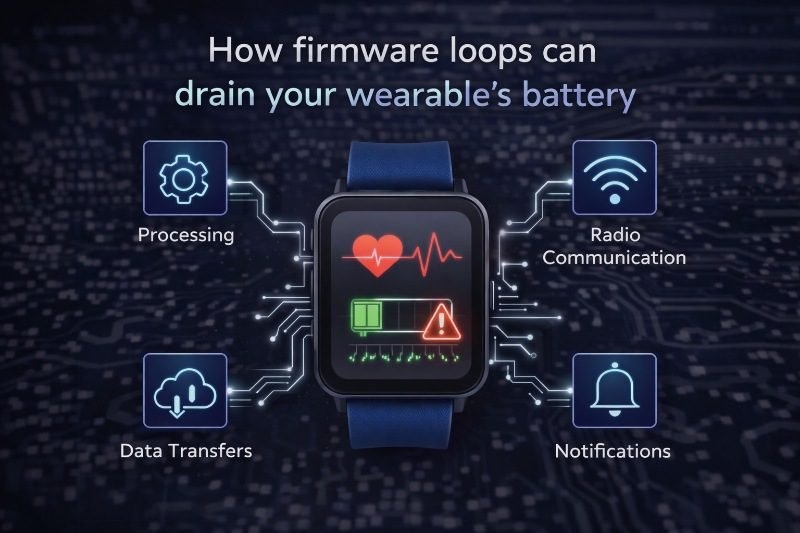
How Do Firmware Loops Quietly Drain a Wearable’s Battery?

Firmware loops can quietly drain a wearable’s battery by keeping the processor awake when nothing needs it: a polling loop, a busy-wait delay or a timer set “just to be safe” stops the device ever reaching deep sleep. Firmware loops that drain wearable batteries pass every functional test, because the device works; only the runtime

How Do Firmware Loops Quietly Drain a Wearable’s Battery? Read More »

Firmware Engineers

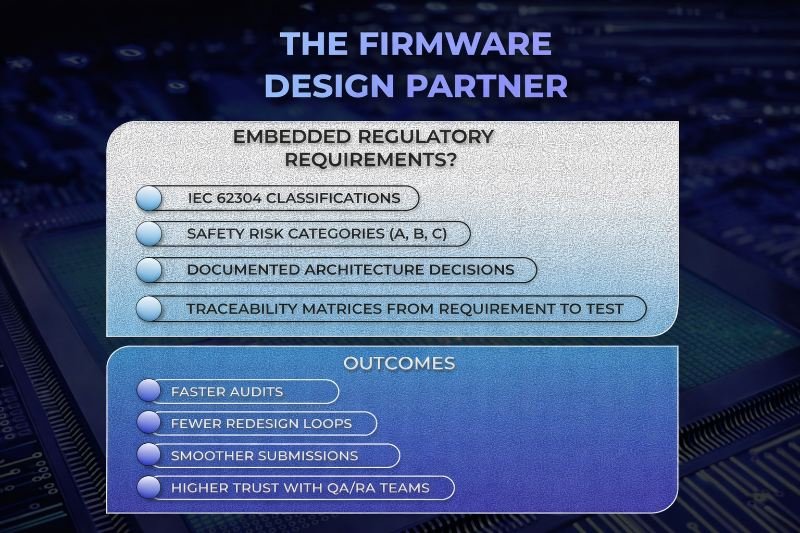
Why Firmware Engineers Must Understand Medical Regulations

In most industries, firmware is judged by whether it works. In MedTech, firmware is judged by whether it can be proven to work safely and consistently under every foreseeable condition. You cannot patch your way out of non-compliance. And you cannot debug your way past a failed audit. In medical devices, firmware is not just logic running on silicon. It is

Why Firmware Engineers Must Understand Medical Regulations Read More »